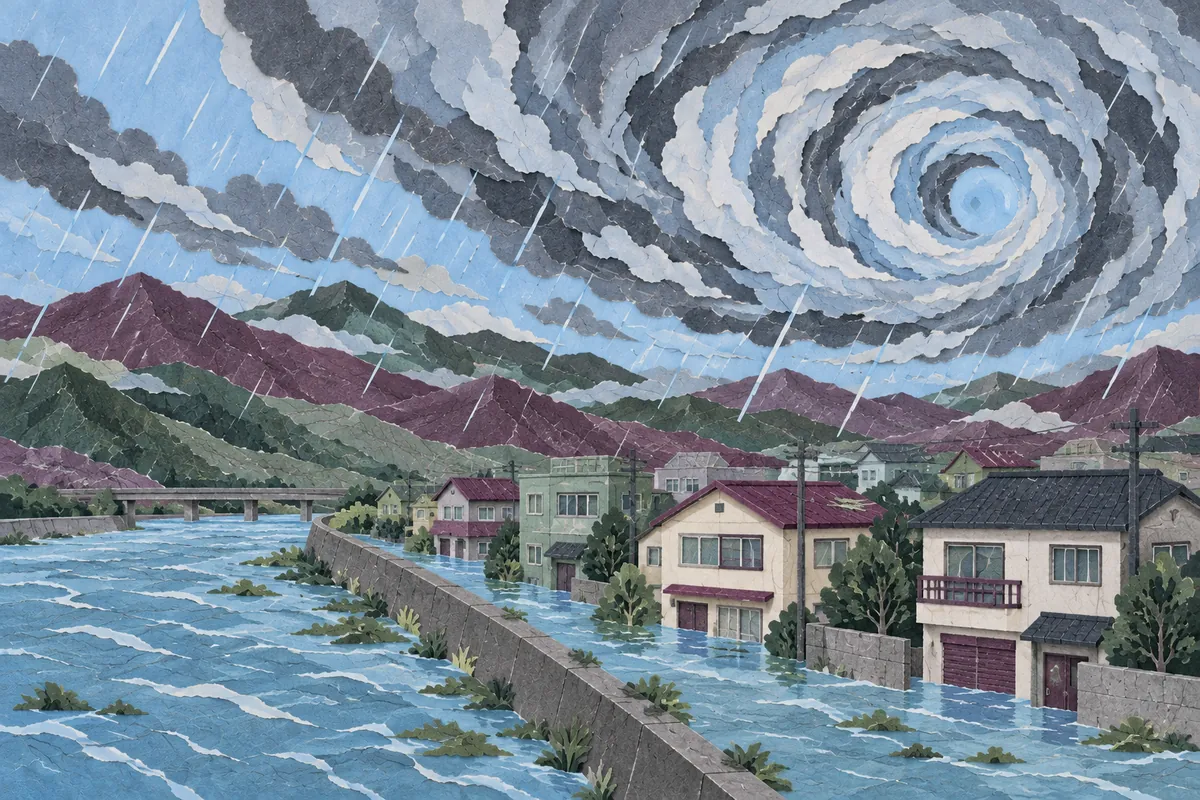
Evacuation shelters: how to find one, when to go, and what to do before leaving
In floods and typhoons, follow government evacuation instructions first. The official flood principle is to shelter in place or move vertically (to a higher floor); only low-lying areas need to go to an evacuation shelter.
This guide summarizes public information from Taiwan's National Fire Agency and its Fire Prevention Museum and applies to Taiwan. Which shelters open and whether pets are allowed depend on local notices from the district office and fire or civil affairs authorities. During a disaster, follow government instructions.
This guide is for Taiwan.
01 Preparation and response points
These points include preparation and guidance for different people or conditions. They are not all steps to perform in sequence. Read each condition; this is a summary, so consult the original guidance for full details.
Look up locations ahead of time: the evacuation map marks shelters for each village and neighborhood, and signs near shelters or on main roads show the name, direction and capacity.
The National Disaster Prevention e-Point (全民防災e點通) can show shelters near your home; during a disaster it pushes nearby incident alerts and plans a route that avoids hazard points.
For floods, the principle is to shelter in place or move vertically; people in low-lying areas need to go to a shelter. When evacuation is needed, village chiefs, police or firefighters help guide people out.
Plan before leaving: know the local hazards and shelter plans, confirm the assembly point and an alternate route, prepare your emergency bag, and if you have pets, check whether the assembly point can hold them temporarily.
When leaving: follow government instructions and keep listening to the radio, leave early, make sure your home is locked, and tell family or friends where you are going and when you will arrive and leave.
Wear sturdy shoes, long sleeves, long pants and a helmet. If you evacuate by car, make sure there is enough fuel, and remember you may have to walk.
On the way, follow the route set by the government and do not take shortcuts. Watch for road hazards such as debris-flow scouring or broken bridges, never wade across a river, and consider sharing a ride or helping neighbors.
For the emergency bag, the National Fire Agency list includes drinking water (minimum daily intake is body weight in kg times 15 ml) and dry food, first aid and personal medicines, warm clothing, copies of ID and a little cash, shoes suited to long walks, a whistle, flashlight, radio and power bank.
02 Reminders to avoid misuse
A shelter is not the only option: the official flood principle is to shelter in place or move vertically, and only low-lying areas need to go to a shelter.
03 Sources
- 消防防災館:查詢避難收容所 Official source疏散避難圖、防災避難看板、全民防災e點通平時與災時使用 · 頁面更新日期 民國 114 年 10 月 23 日
- 消防署:全民防災e點通及消防防災e點通APP Official source自由選災害示警、平安簡訊與家庭防災卡、防災地圖、APP功能簡介 · 頁面未標示日期
- 消防防災館:颱風發生時該如何疏散、避難 Official source水災避難原則、避難前規劃、避難階段 · 頁面更新日期 民國 114 年 10 月 23 日
- 消防署:緊急避難包準備清單 Official source緊急避難包準備清單(一般人)與備註 · 民國 114 年 6 月 26 日發布,114 年 12 月 8 日更新