PREPLO / CASES / READING THE LANDSCAPE
Disaster case studies: preparing with lessons from real events
Each case starts from a real, officially documented disaster: what happened, what saved lives, what went wrong, and what you can prepare today. Casualty figures come only from the latest official statistics, with the date they were counted.
12CASES
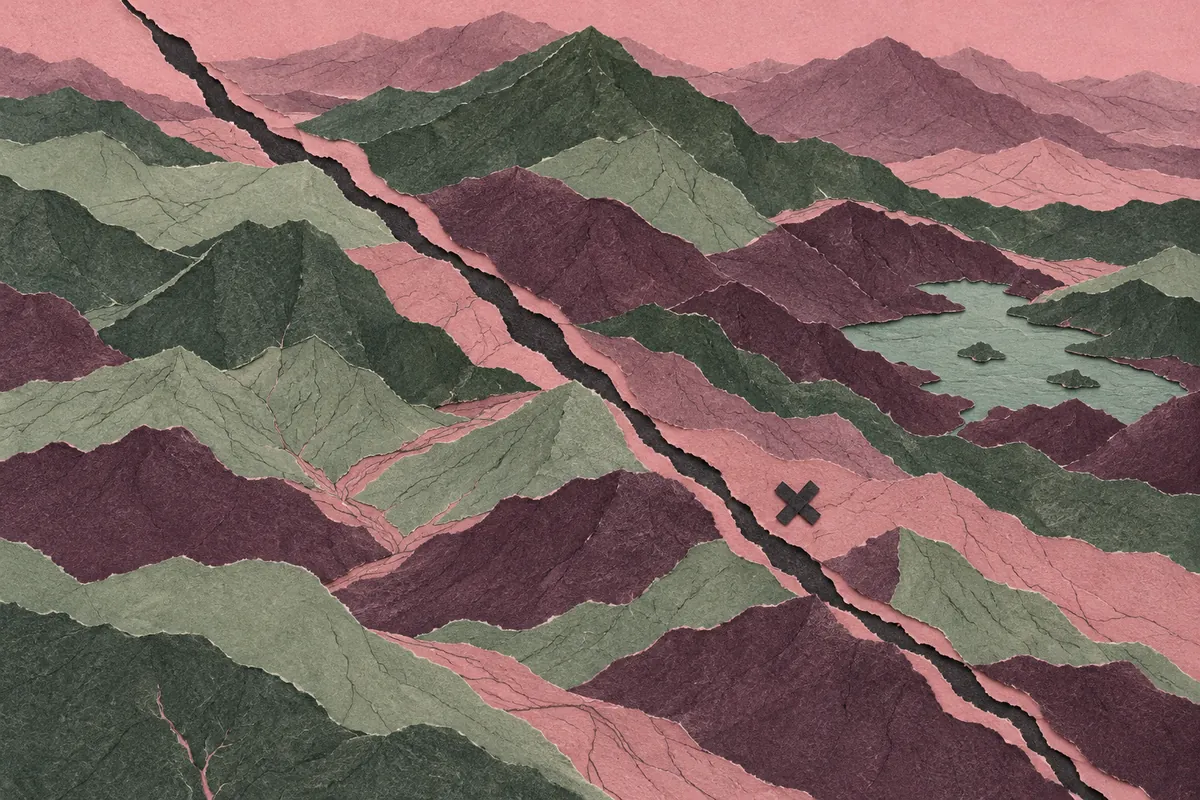
1999 Chi-Chi (921) earthquake: at 1:47 a.m., Taiwan shook for 102 seconds
In the early hours of 21 September 1999, the Chelungpu fault ruptured and Taiwan shook violently for 102 seconds. 2,415 people died and more than 50,000 homes collapsed. This case study draws on records from Taiwan's Central Weather Administration and Executive Yuan to see what a night-time earthquake teaches us.
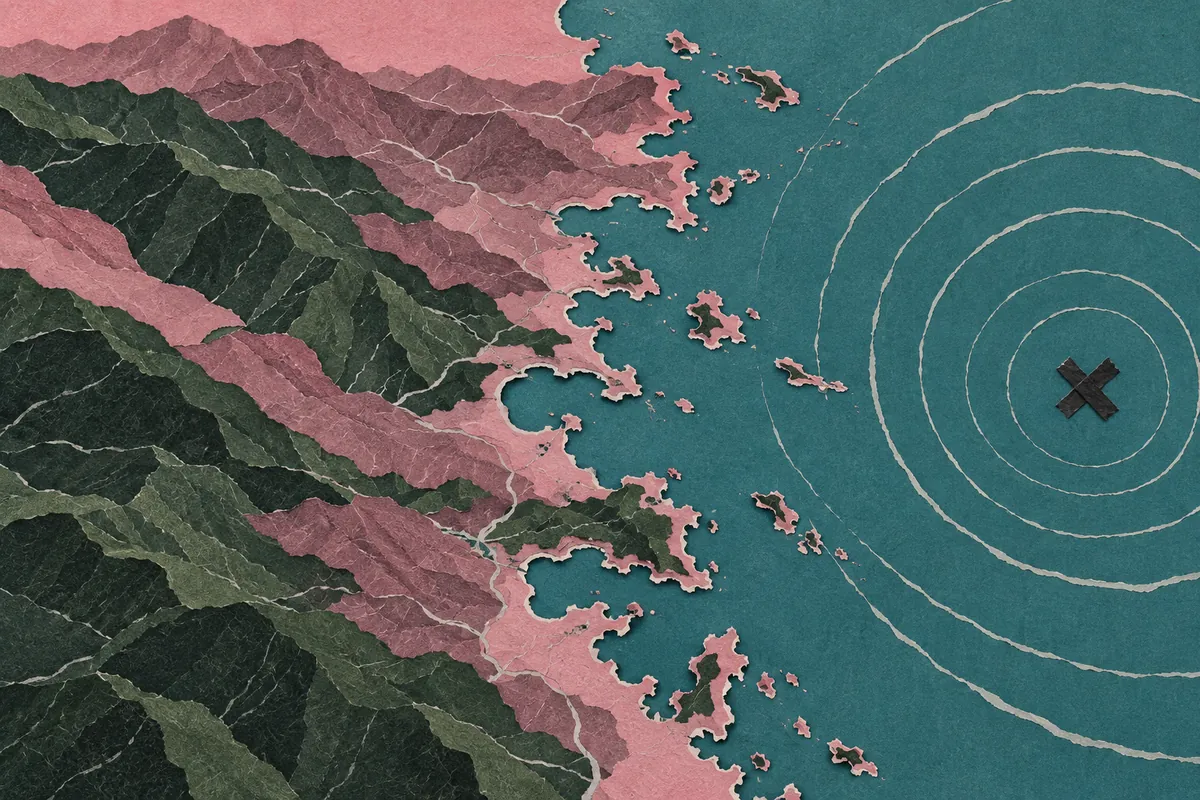
2011 Tohoku earthquake and tsunami: don't wait for the wave-height number, head for high ground
On 11 March 2011, a magnitude 9.0 earthquake struck off northeastern Japan and the tsunami that followed caused enormous loss of life. The first tsunami height forecast later proved too low, while in Kamaishi, Iwate, where people had long practiced "everyone runs on their own after a quake," almost all schoolchildren evacuated safely. This case study looks at the lessons in Japan's official records.
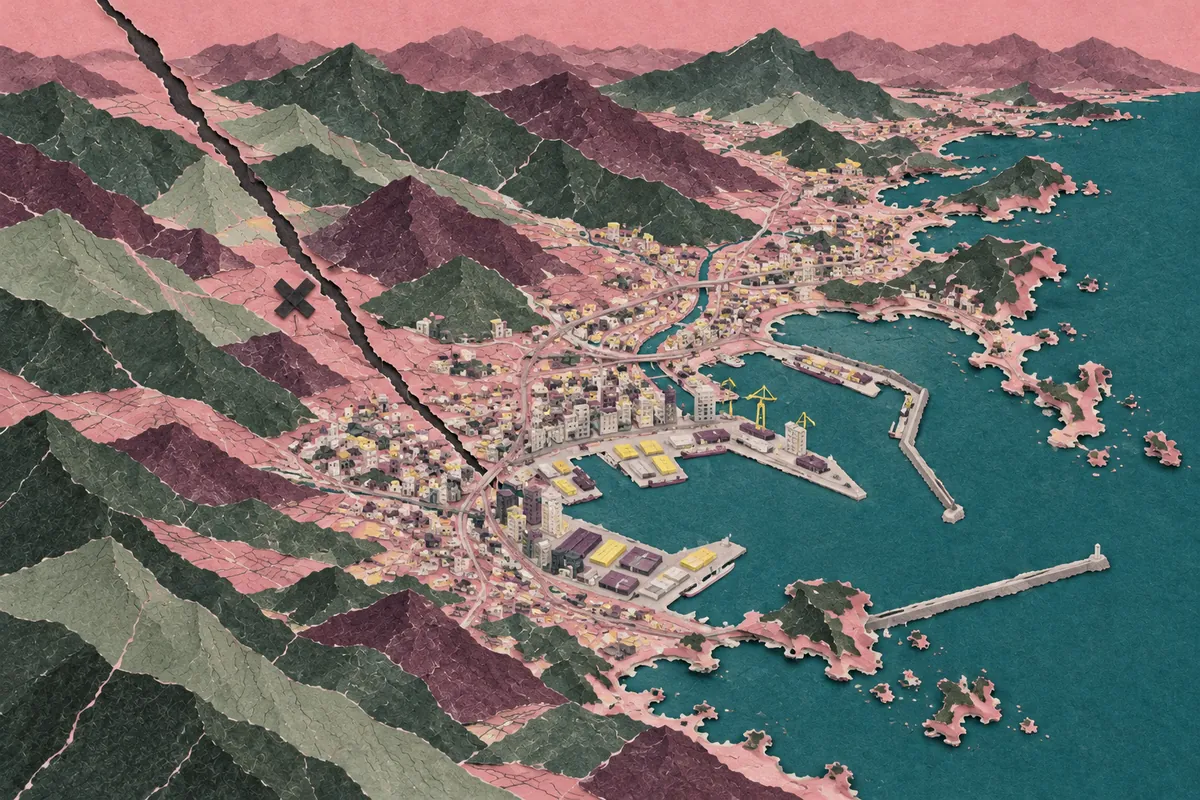
2017 Pohang earthquake: a quake on the eve of the national exam, and an official finding that it was triggered
On the afternoon of 15 November 2017, a magnitude 5.4 earthquake struck Pohang in North Gyeongsang Province, South Korea. The national university entrance exam set for the next day was postponed by a week, buildings with open ground-floor parking were visibly damaged, and soil liquefaction occurred. A government research commission later concluded that the quake was triggered by a nearby geothermal power project.
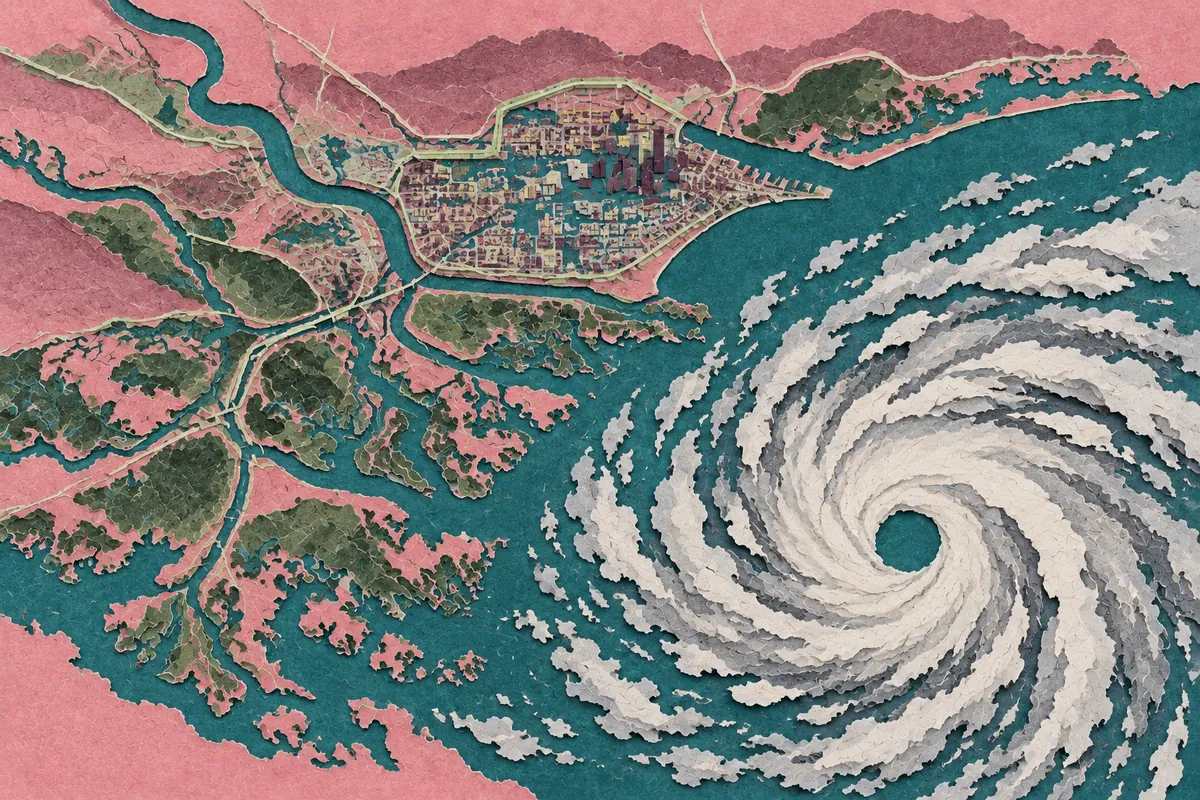
2005 Hurricane Katrina: an evacuation was ordered, so why were tens of thousands still in the city?
On 29 August 2005, Hurricane Katrina came ashore on the U.S. Gulf Coast. Storm surge broke through New Orleans' floodwalls and about 80% of the city flooded. More than 90% of residents evacuated before the storm, but the tens of thousands who remained were mostly the most vulnerable. This case study looks at the lessons in reports from the National Hurricane Center and the White House.
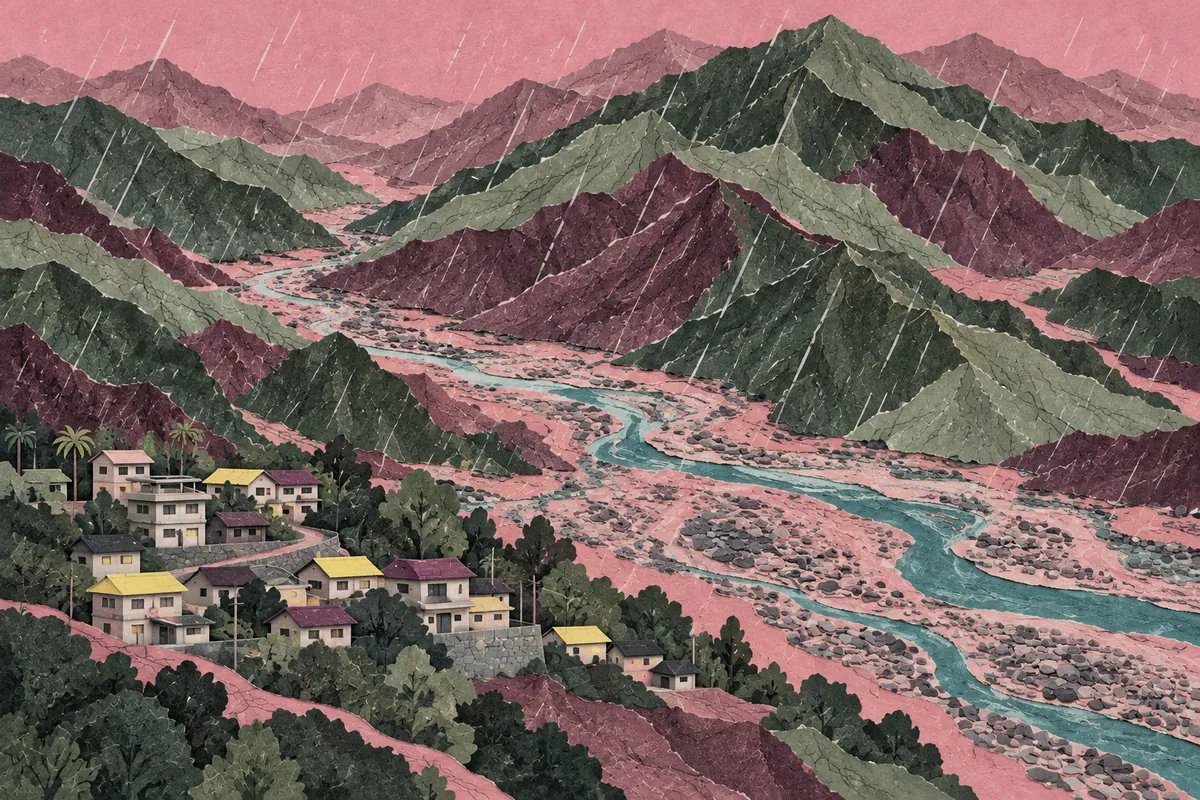
2009 Typhoon Morakot: a year's worth of rain in one storm
In August 2009, Typhoon Morakot brought record-breaking rain to Taiwan; accumulated rainfall even exceeded Taiwan's average annual rainfall. Massive landslides, debris flows and flooding struck central and southern Taiwan and Taitung, and Xiaolin village in Kaohsiung was almost entirely buried. This case study draws on records from Taiwan's National Science and Technology Center for Disaster Reduction and the Executive Yuan.
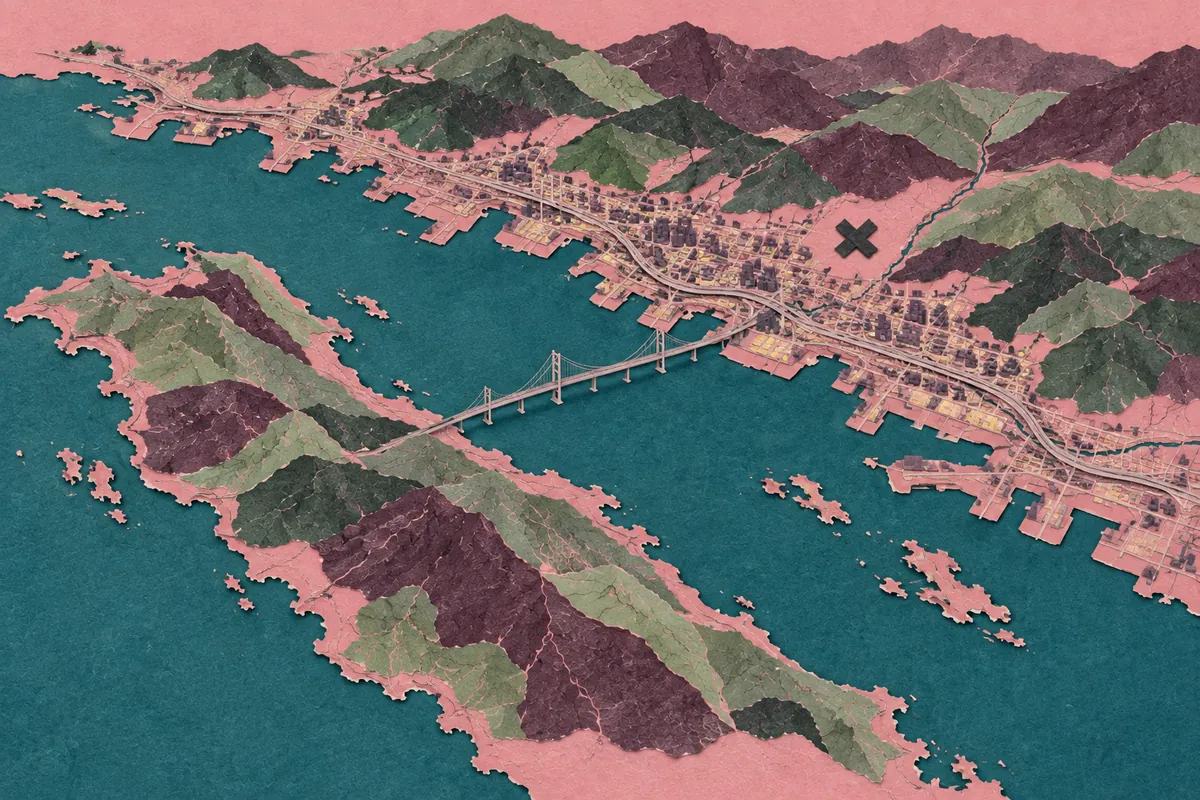
1995 Great Hanshin-Awaji earthquake: 8 in 10 people pulled from the rubble were saved by neighbors
At 5:46 a.m. on 17 January 1995, a magnitude 7.3 earthquake struck the Kobe area. 6,434 people died, most of them crushed or suffocated in collapsed homes. With government functions paralyzed, about 80% of those rescued alive from the rubble were saved by family and neighbors. The quake also changed Japan's seismic retrofit law, its intensity scale and its volunteer culture.
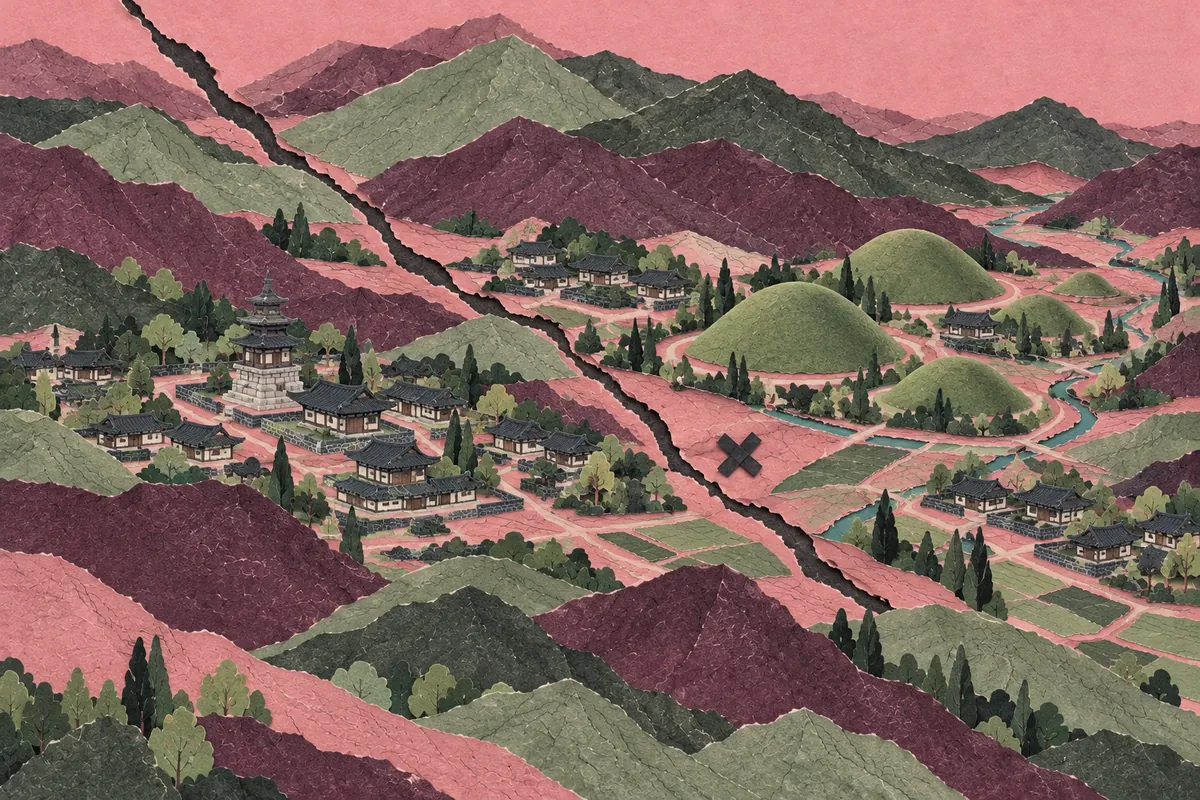
2016 Gyeongju earthquake: late alerts, a crashed website, and people unsure what to do
On the evening of 12 September 2016, earthquakes of magnitude 5.1 and 5.8 struck Gyeongju in North Gyeongsang Province, the largest since the Korea Meteorological Administration began its observations. In a later review, the Korean government acknowledged that disaster text alerts were too slow, its website went down and people did not know how to act. This case study looks at the government's records and what changed.
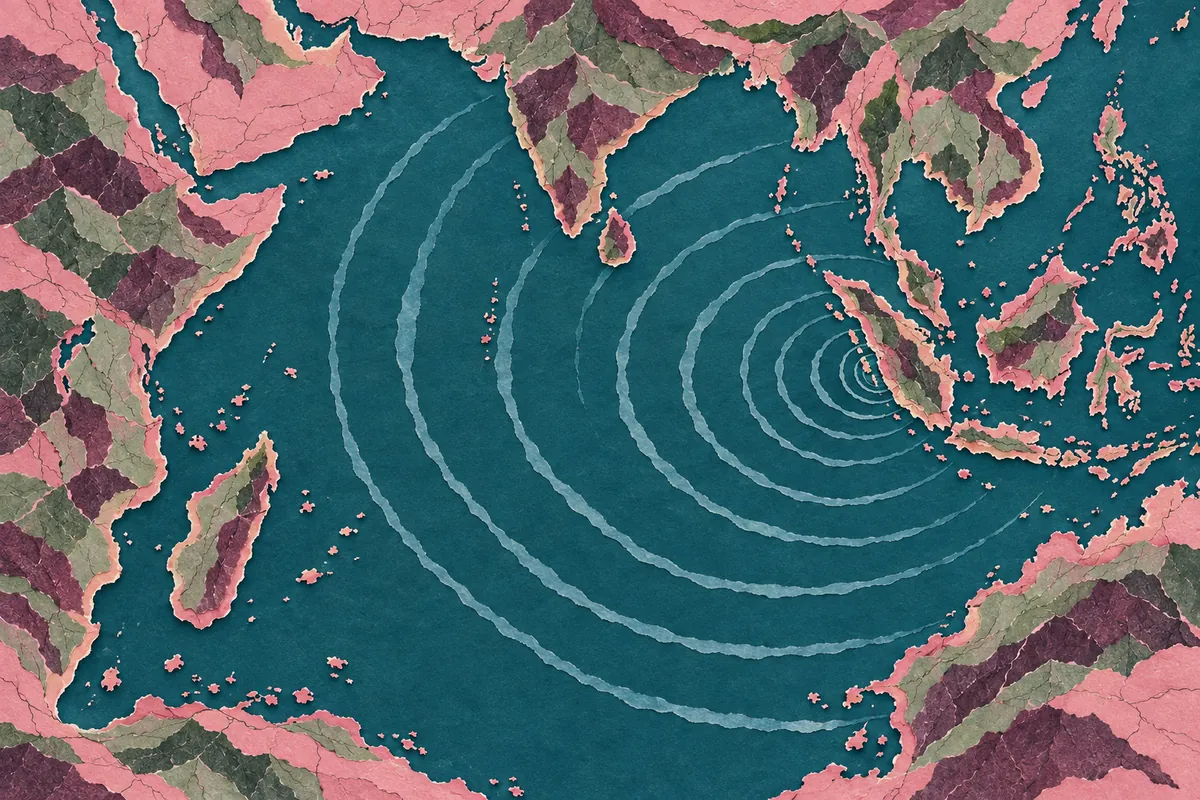
2004 Indian Ocean tsunami: some countries had two or three hours, but no one warned them
On the morning of 26 December 2004, a magnitude 9.1 earthquake struck off Sumatra, Indonesia. The tsunami crossed the Indian Ocean as far as the east coast of Africa and was the deadliest in recorded history. There was no tsunami warning system in the Indian Ocean at the time, and some countries were hit two or three hours after the quake. This case study draws on records from the U.S. Geological Survey and UNESCO.
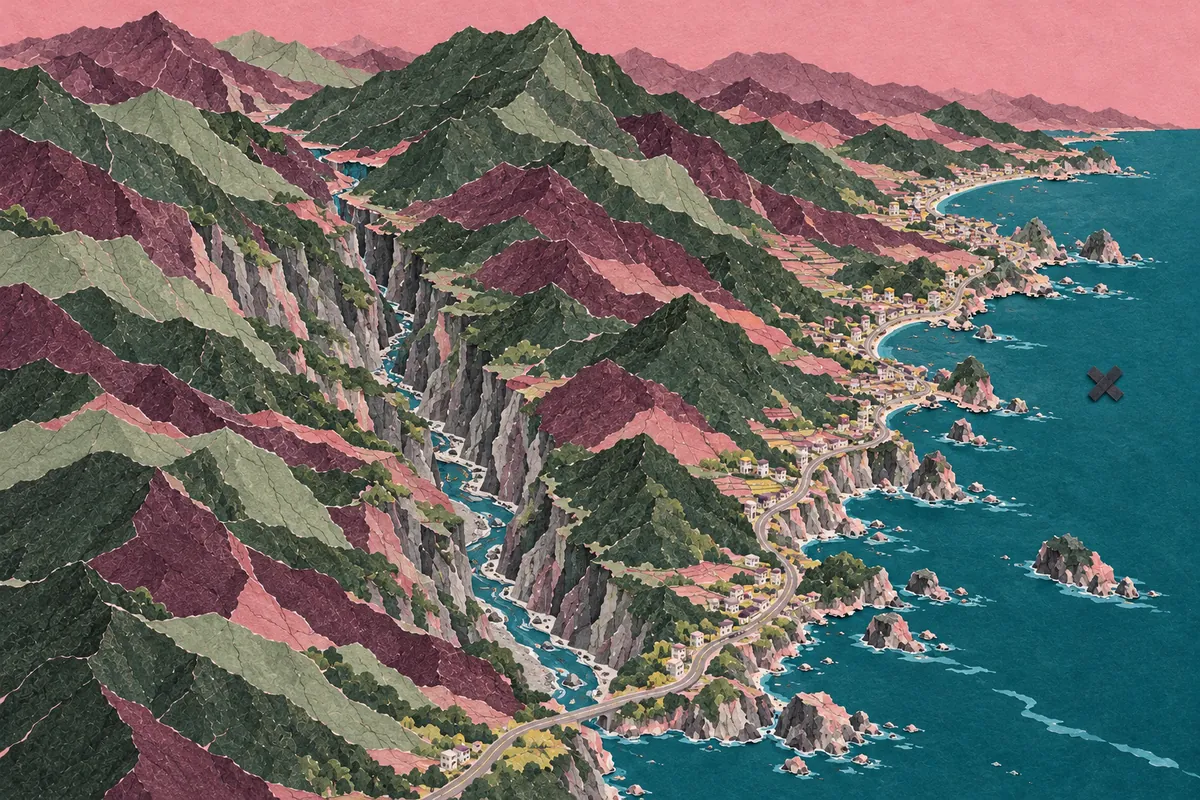
2024 Hualien earthquake: Taiwan's largest since 921, with a tsunami warning
At 7:58 a.m. on 3 April 2024, a Richter magnitude 7.2 earthquake struck off Hualien. It was Taiwan's largest earthquake since the 1999 Chi-Chi earthquake, strong shaking was felt across the island, and the Central Weather Administration issued a tsunami warning. This case study draws on records from Taiwan's National Science and Technology Center for Disaster Reduction and National Fire Agency.
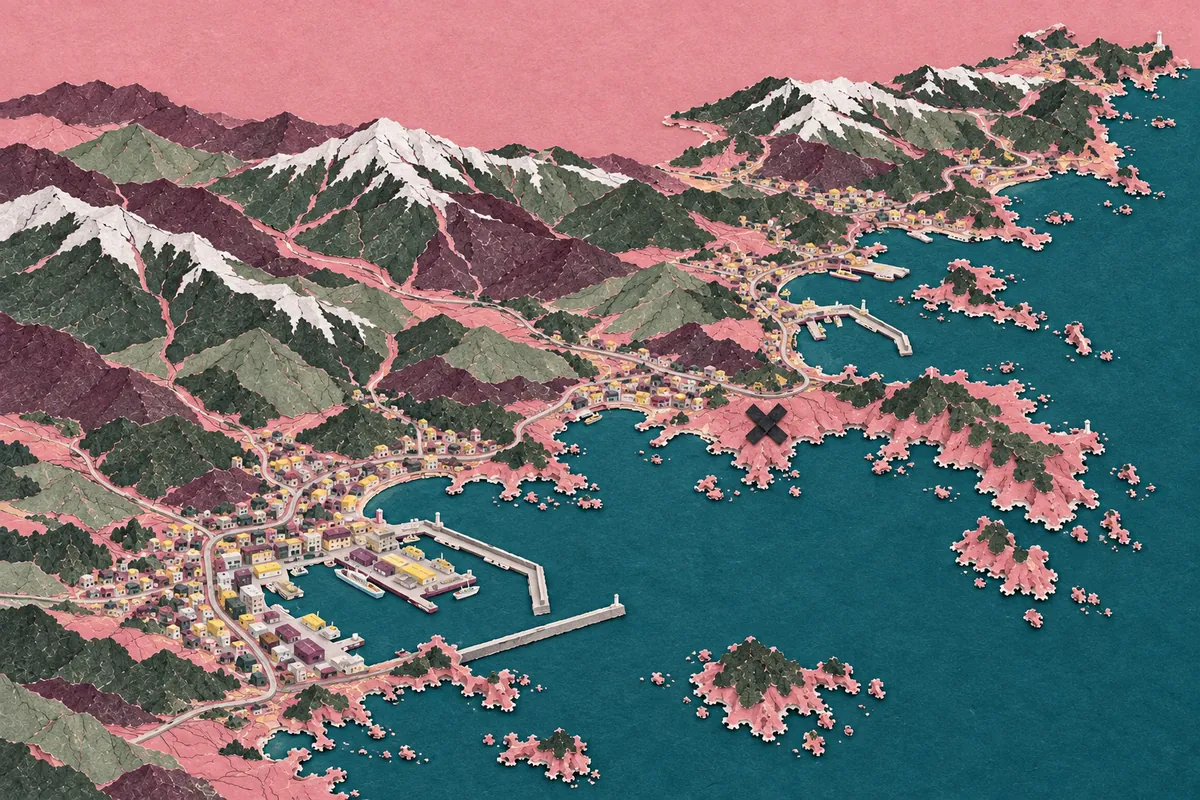
2024 Noto Peninsula earthquake: a New Year's Day quake, winter shelters and a cut-off peninsula
At 4:10 p.m. on 1 January 2024, a magnitude 7.6 earthquake struck the Noto region of Ishikawa Prefecture, with intensity 7 in Wajima and Shika. A tsunami and a major fire followed. Broken roads left communities on the peninsula cut off, and many people fell ill in shelters in the depths of winter. This case study draws on Japan's Fire and Disaster Management white paper.
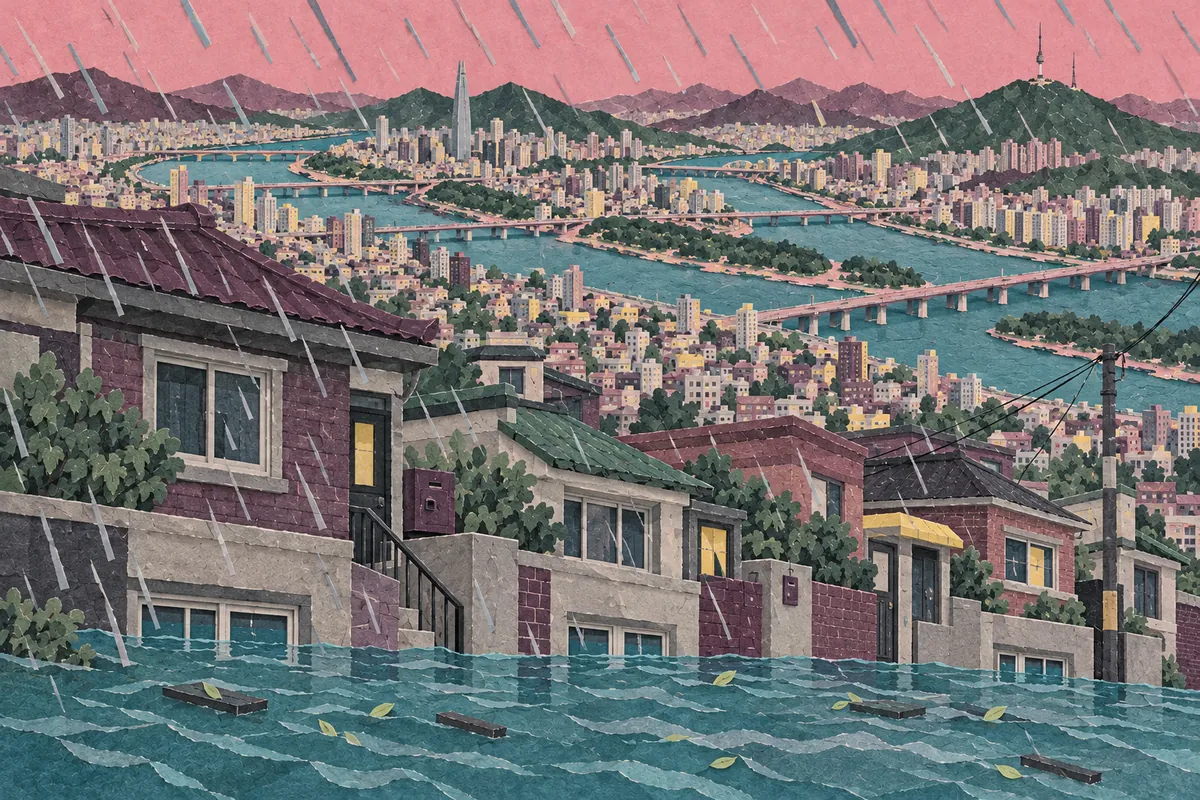
2022 Seoul floods: 141.5 mm an hour, more rain than the city was built to drain
From 8 August 2022, days of torrential rain hit Seoul and central South Korea. Peak rainfall reached 141.5 mm an hour, far above the 95 mm an hour that Seoul's drainage was designed for. More than 27,000 homes flooded, lives were lost among vulnerable households such as those in semi-basement homes, and the government reviewed its urban flood standards.
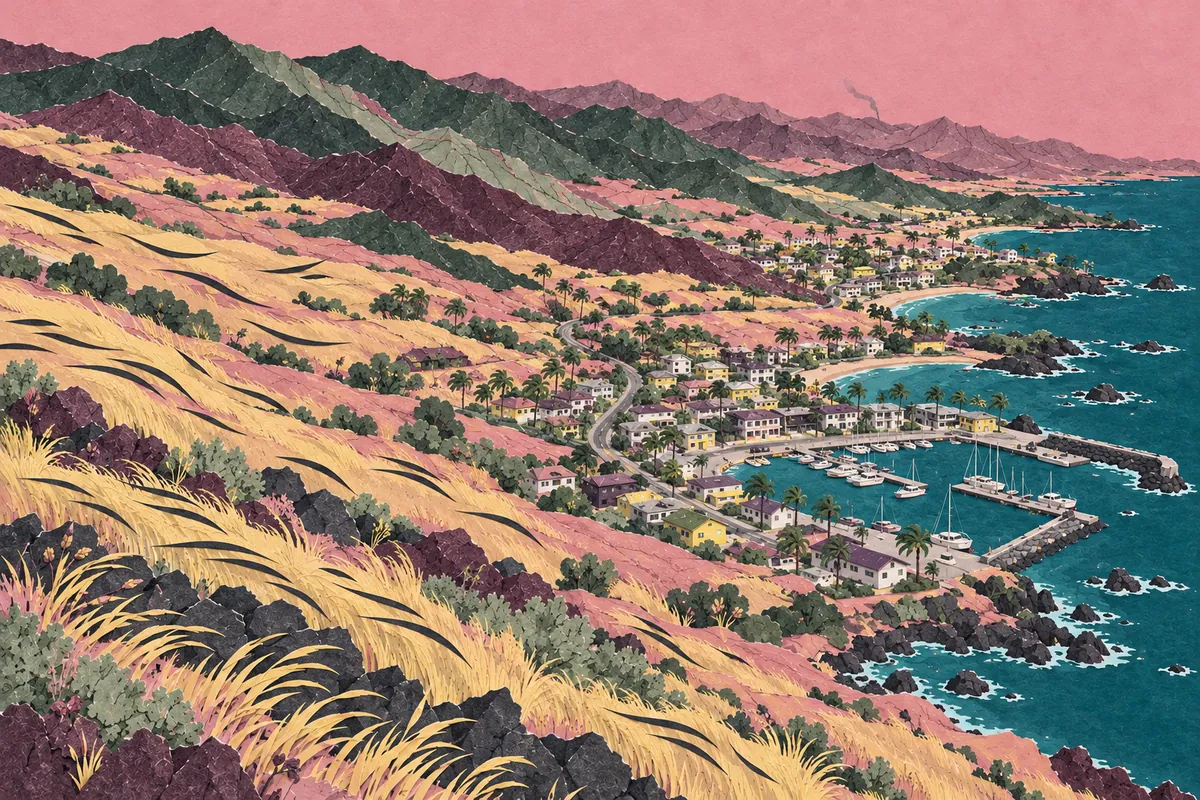
2023 Lahaina, Maui wildfire: a grass fire became an urban firestorm within hours
On 8 August 2023, strong winds rapidly spread several wildfires on Maui, Hawaii. The historic town of Lahaina was almost entirely destroyed and 101 people died, the worst natural disaster in Hawaii's history. Reports commissioned by Hawaii's attorney general record how the fire spread from grassland into neighborhoods. This case study draws on summaries published by the U.S. Fire Administration.
How these case studies are written
Each case study is compiled from original documents published by governments or international bodies; the sources were read on 2026-10-17 (the Taiwan comparison paragraphs reuse Central Weather Administration and National Fire Agency material read on 2026-10-09). This is AI-assisted editing and source cross-checking, not a review by disaster, engineering or medical professionals.
"What you can do today" is Preplo's own suggestion based on each lesson, not an official rule. Case pages carry no ads and are not included in the app.
The English edition was translated from the Traditional Chinese edition by an automated editor and has not been reviewed by a native speaker.